
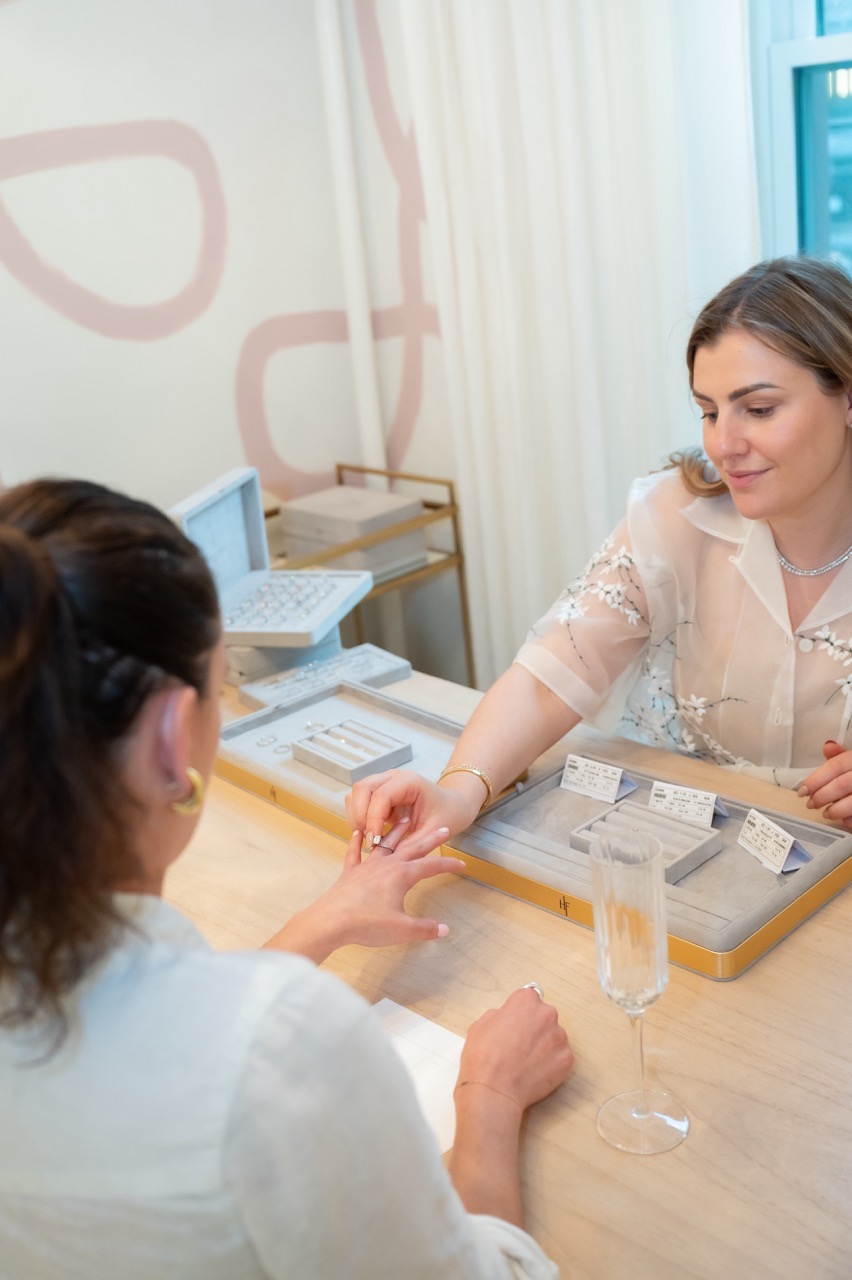
Artificial intelligence has quickly become part of our everyday lives. From writing emails and planning vacations to creating images and answering questions, AI has transformed the way we gather information and make decisions. And while these tools have opened exciting possibilities, they have also changed the way clients approach one of life's most personal purchases: fine jewelry. As private jewelers, we've found ourselves navigating a new reality. Clients arrive with AI-generated ring designs, diamond shopping lists, and highly specific grading requests. Some of these tools are incredibly helpful. Others can unintentionally remove the very thing that makes custom jewelry special: human expertise. The truth is, there is room for both.
At Hannah Florman Fine Jewelry, we embrace innovation.
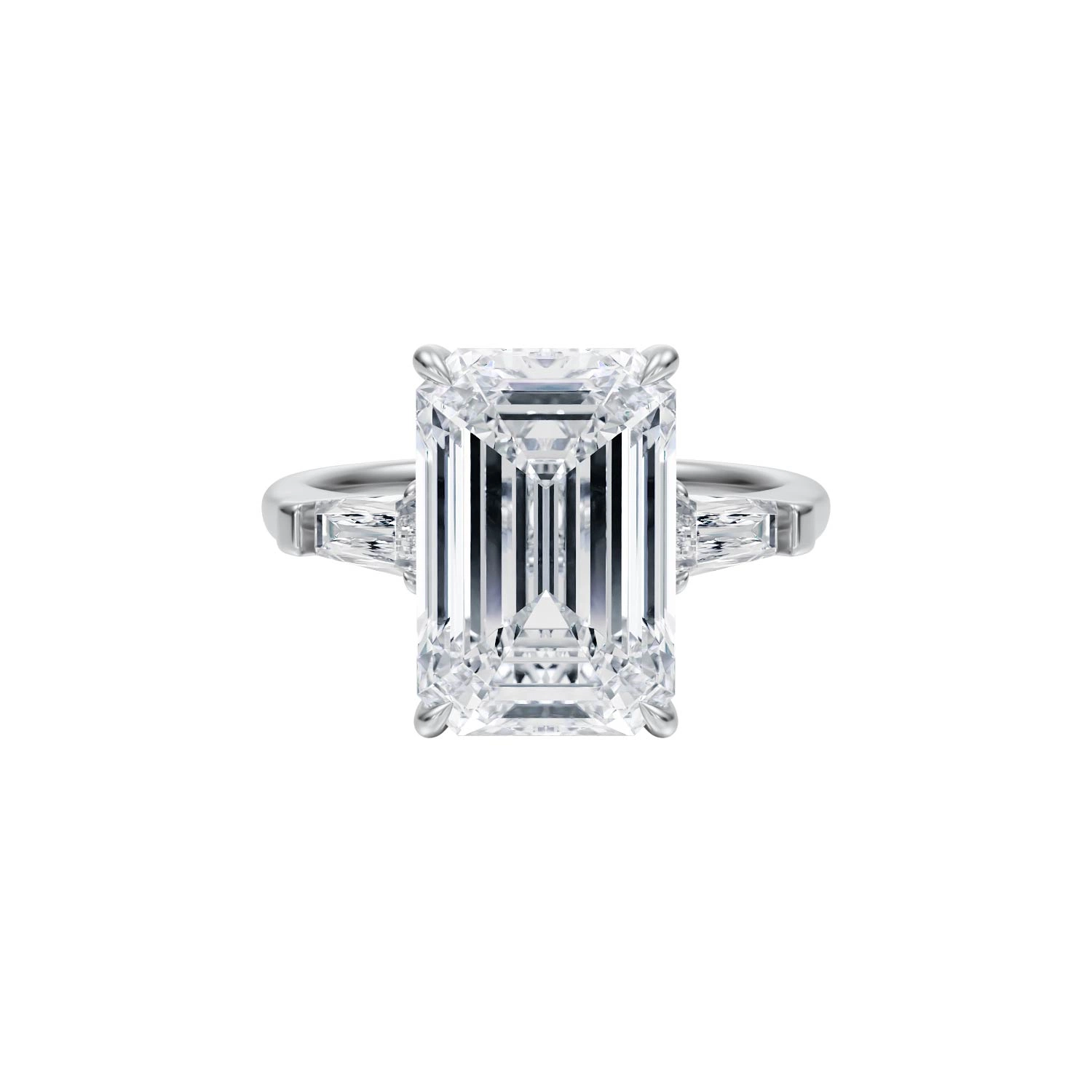
AI can be incredibly useful when it comes to visualizing ideas. Sometimes clients have a dream ring in their head but struggle to put it into words. AI-generated images can help communicate a feeling, an aesthetic, or a design direction that may otherwise be difficult to describe.
We often create quick visual renderings ourselves to help clients imagine possibilities before moving into the formal design process. These early concepts can spark conversation, refine preferences, and help clients better understand what they truly love.
When used as inspiration, AI is an exciting, creative tool.
But inspiration and expertise are not the same thing. ChatGPT or Claude has not sat behind a benchworker’s desk and seen how a ring is casted and set. It also hasn’t physically felt or worn the ring, seeing how it might flip side to side or feel too light to be an heirloom piece. These are all elements we consider when moving into our formal design process, with a hand-drawn drawing and CAD.


One of the biggest changes we've seen is clients arriving with AI-generated "diamond shopping lists." Specific color grades, exact clarity ranges, table percentages, and cut recommendations.
Specific color grades. Exact clarity ranges. Precise table percentages. Cut recommendations. The result often feels less like selecting a diamond and more like ordering a car.
The challenge is that diamonds simply do not work that way.
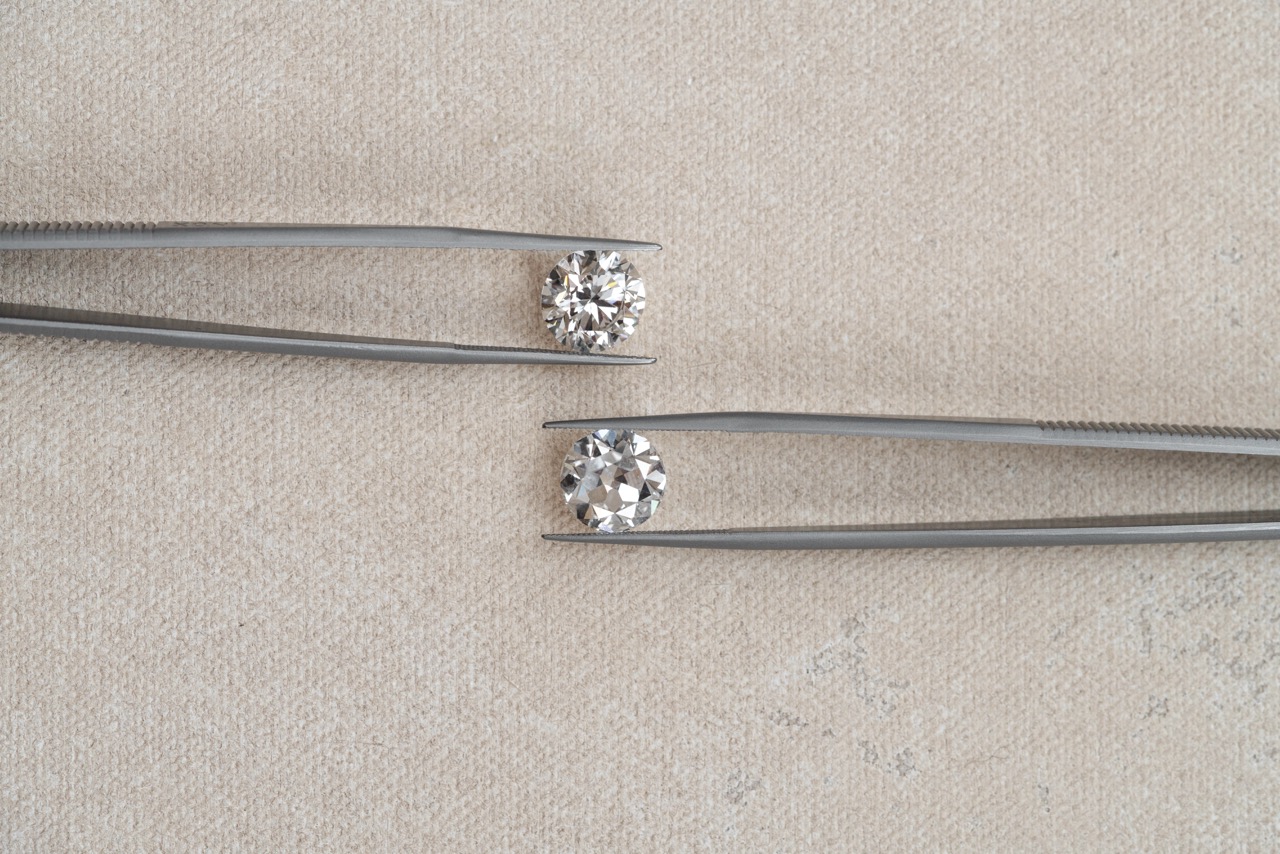
There is both an art and a science to diamond selection. A grading report tells only part of the story. Two diamonds with identical certifications can look completely different in person. The beauty, life, and personality of a stone cannot always be measured on paper or by grades
Every diamond is unique. They are graded by humans, cut by hand, and shaped by countless decisions throughout the cutting process. Fancy shapes often receive no official cut grade at all, and even diamonds with identical specifications can display completely different facet patterns, proportions, and light performance.
AI can summarize grading standards, but it cannot sit with a diamond under natural light. It cannot compare subtle facet patterns. It cannot understand the emotional reaction someone has when they see a stone for the first time. A certification cannot tell you whether a diamond feels soft and romantic, modern and architectural, or bold and elongated.
That is where expertise matters. We will, of course, consider this list when sourcing diamonds in for a client, but at the end of the day, it is our trained eye, personal connections in the industry, and experience working with clients time and time again that help us find that perfect stone for them.
Our goal is not to sell a particular diamond—it is to find your diamond. We consider your aesthetic, lifestyle, priorities, and budget to source stones that truly align with your vision.
You do not need to become a diamond expert before beginning the process. You simply need to tell us what you love.
AI can provide information, but it cannot sit with a diamond under natural light, compare subtle differences between stones, or understand the emotional connection someone feels when they find the right one.
That human element remains at the heart of what we do.


Inquire about custom fine jewelry
